KEEP IN MIND
Meta embeds hidden tagging in AI images
Images created with Muse Image in Meta AI receive an invisible origin signal. Meta says it may remain after cropping and screenshots, but durability is not independently verified.
Publicerad 19 July 2026, 17.20
Meta has released the Muse Image image model in the Meta AI app and on meta.ai. The model can create and edit images. In Instagram Stories, according to Meta, it is only available in the US, in WhatsApp in a limited number of countries, and support for Facebook will come later.
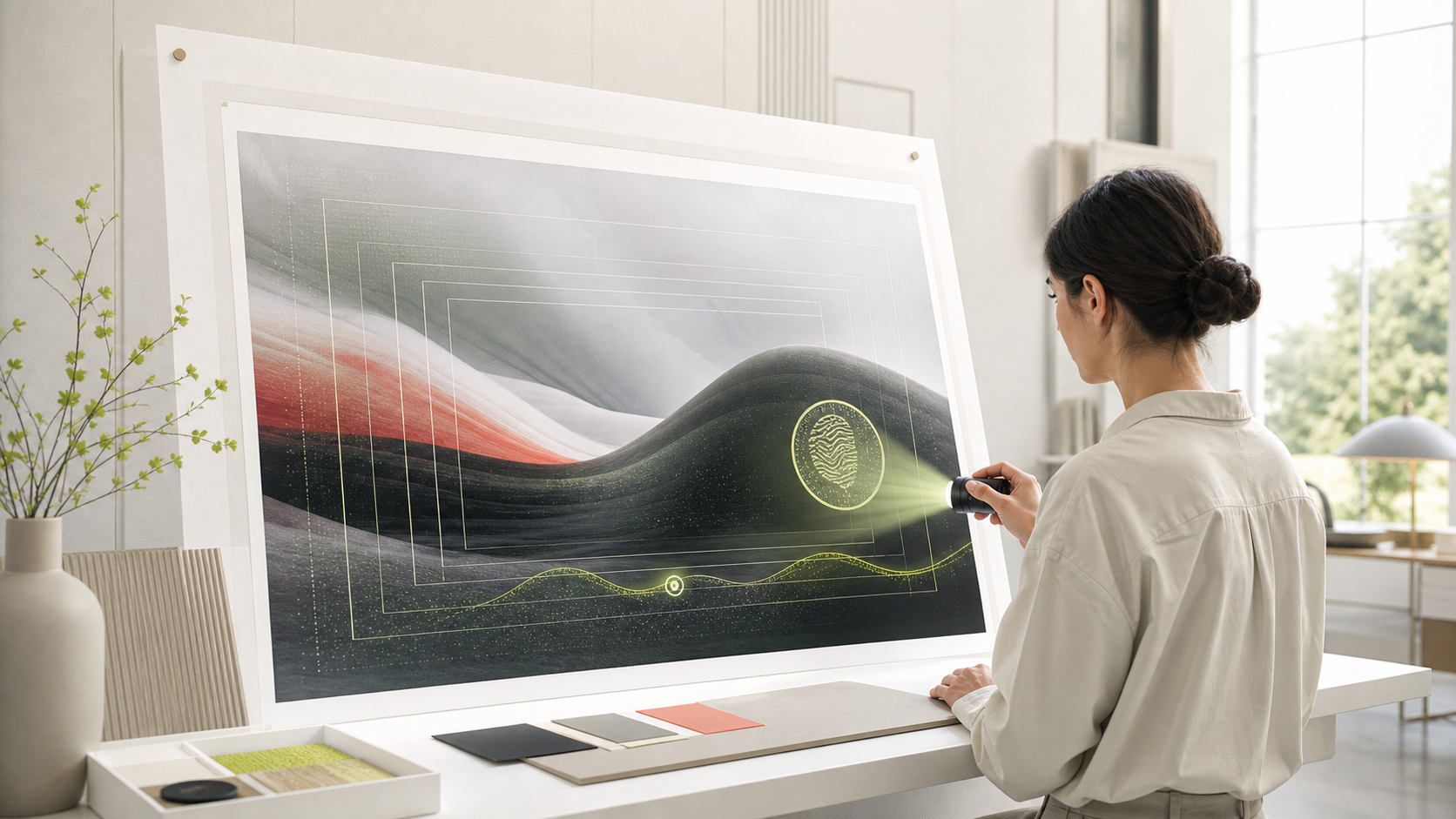
Images created with Muse Image in Meta AI and on meta.ai receive a hidden signal of origin that Meta calls Content Seal. The signal is an invisible label that should help people check if an image has been created with Meta's AI.
Meta states that the signal may remain when the image is cropped, compressed, resized or captured in a screenshot. It is the company's own claim and should not be read as an independent guarantee that every changed image is always detectable.
A Content Seal checker is displayed at the same time as a preview. Meta plans to expand the tagging to video, but Muse Video is still only presented as an early preview and has not been widely released.
Därför spelar det roll
Companies get more tools to create market images directly in social platforms. At the same time, the need to save data on how material has been created and edited is increasing. A hidden signal can provide additional traceability, but does not replace clear labeling, human control or documentation when the origin of the content matters.
Det här kan du göra
- Save original file, prompt, tool and date when AI images are used in a mission.
- Label AI-generated illustrations clearly even if the platform embeds a hidden signal.
- Treat a detection result as a clue, not as sure proof of the entire history of the image.