HOW IT WORKS
How image AI finds boundaries in an image
Image segmentation divides an image into areas that a computer can mark and count. Meta describes how the technique is used on US plant images, but a researcher still needs to determine what the markings mean.
Publicerad 28 July 2026, 20.06
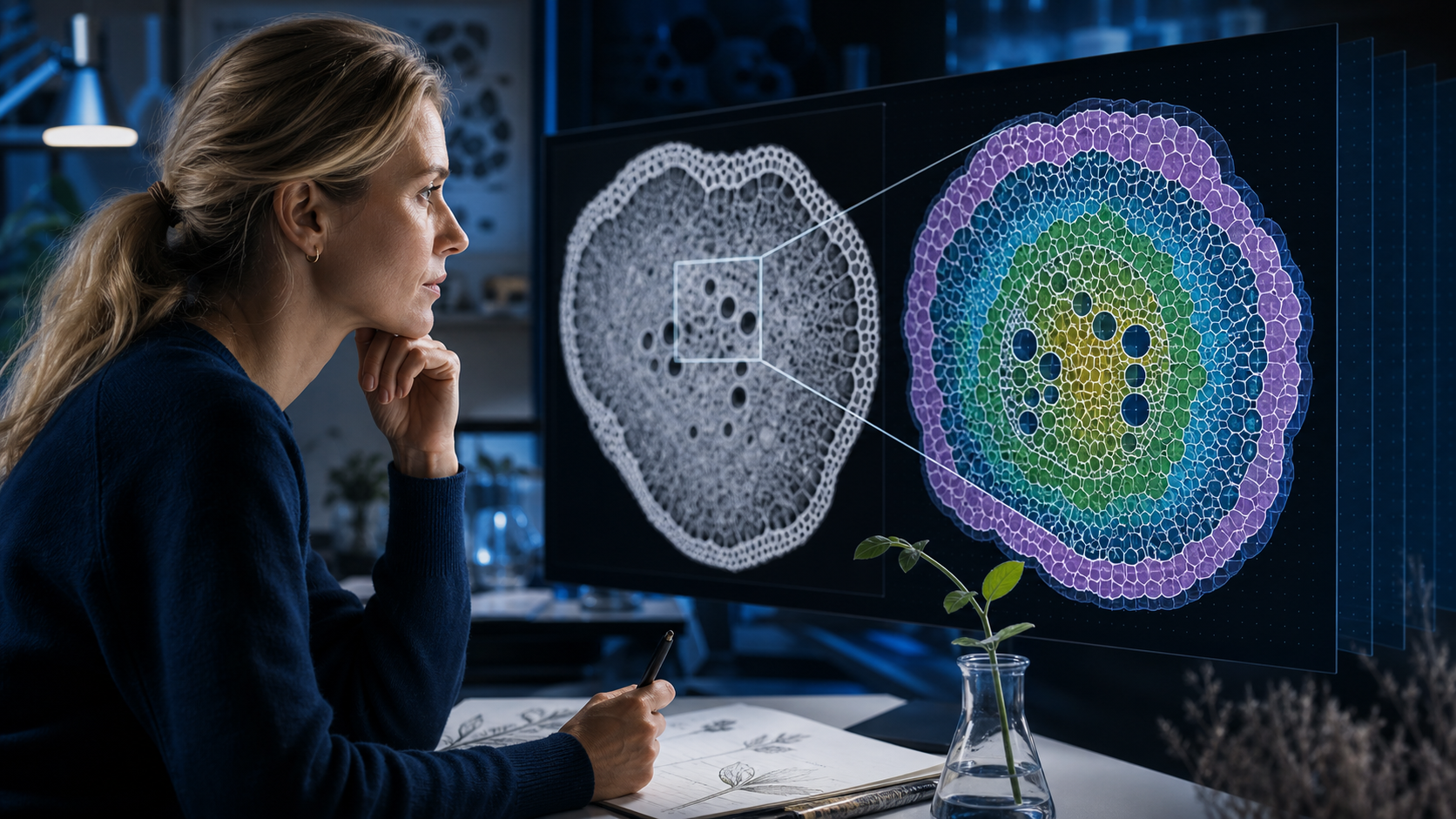
Image AI does not need to start by describing the entire subject. It can first divide the image into clear areas. The technique is called image segmentation and means that each image point is connected to an object or a type of surface.
Consider a photo of a desk. A segmentation model might draw a boundary around the computer, the cup, and the notepad. The result is a map that another system can use to count objects, follow changes, or choose what a human should examine more closely.
Meta now describes an American research project where the models Segment Anything 3 and DINOv3 are used on X-ray images of, among other things, plant stems. DINOv3 helps the system recognize visual patterns, while Segment Anything draws the boundaries between structures.
The researchers have adapted the models to images from special American laboratories and run them on large computer systems. In Meta's example, a researcher receives back a three-dimensional, labeled image during ongoing experiments. The estimate of approximately 15 minutes of processing comes from Meta and the project team, not from an independent evaluation.
The important thing is the difference between marking and understanding. The model can show where a structure starts and ends. An expert still needs to judge whether the boundary is correct, what the structure means and whether the result supports a decision.
The original research on Segment Anything shows that a model can be moved to new types of images without first being retrained for each individual object. This does not mean that the model will be flawless in a new environment. Scientific, medical and industrial images require their own tests, the right data and human control.
The same basic principle is found in more everyday workflows. A store may want to separate products from the background, a property owner may sort image parts in an inspection, and an editorial office may expose a subject. In each case, someone must check that the model marks the right thing before the result is used further.
Därför spelar det roll
Image segmentation makes large image sets more searchable and measurable. For Swedish businesses, the benefit is therefore not that the AI alone understands an image, but that it can make an initial selection that a human then reviews. The requirements for testing become higher when an incorrect limit can affect research, care, safety or an important decision.
Det här kan du göra
- First decide what to highlight and why. A clear review question is more important than a nice color chart.
- Test the model on representative images from your own environment, including poor light, unusual angles and difficult borderline cases.
- Have an expert check both missed items and incorrect markings before the results guide an important decision.